The Best Touchless Faucets for Your Home
In the age of advanced technology, automation has become a prevalent feature in modern homes. This integration of automation enhances the user experience, simplifying maintenance tasks and promoting convenience. Touchless technology, in particular, emerges as a significant innovation, offering increased safety and efficiency in household management.
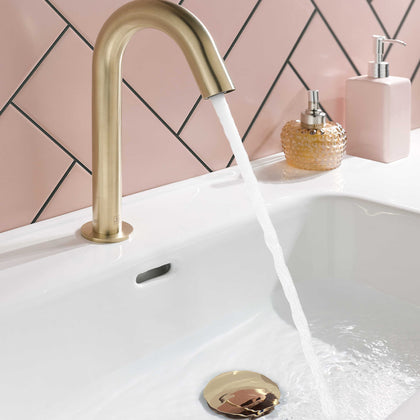 |
| Image Credit : Goldbathroom.uk |
Touchless solutions represent a hands-free approach to various aspects of home living, particularly in spaces like the bathroom and kitchen. These innovative fixtures and appliances come in diverse designs and finishes, ensuring seamless integration with your home's aesthetic. Whether you opt for professional installation or choose to embark on a DIY project, implementing touchless technology can elevate your home environment, offering both practicality and style.
Before You Buy
When selecting a touchless faucet, it's crucial to assess which features align best with your household's needs and preferences. While aesthetics certainly play a role, they're just one aspect to consider. Equally important is understanding the frequency of faucet usage on a daily basis and ensuring that the chosen materials are durable enough to withstand regular use.
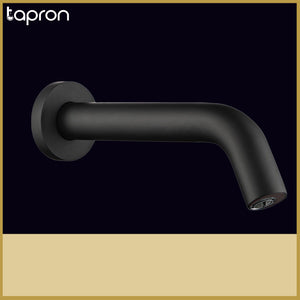 |
| Image Credit : Tapron.co.uk |
Understanding your household's usage patterns will help you determine the optimal features for your touchless faucet. Whether it's a high-traffic kitchen or a bustling bathroom, selecting a faucet that can handle the demands of daily use is paramount. Additionally, prioritizing durable materials ensures longevity and resilience, minimizing the need for frequent repairs or replacements.
Materials
The choice of materials for a faucet can significantly influence its longevity, overall quality, and maintenance needs. Two popular options for faucet construction are brass and stainless steel, both renowned for their strength and durability. Additionally, these materials offer versatility in terms of finishes, allowing homeowners to select from a wide array of colors and shines to complement their interior design aesthetic.
Whether you prefer the classic appeal of reflective silver, the warm allure of buffed copper, or the sleek sophistication of solid black, there's a finish to suit every taste and style preference. By selecting the right finish, you can enhance the visual appeal of your faucet while ensuring it seamlessly integrates into your home's overall design scheme.
Sensor technology
Various types of faucets utilize sensors to regulate water flow, offering both touch and touchless functionality. These sensors are strategically placed within the faucet and can detect movement or direct contact to activate the water flow. Depending on the design and model of the faucet, the sensors may vary in their placement and sensitivity.
Some touchless faucets feature sensors that respond to motion, detecting the presence of hands or objects within a certain range to initiate water flow. On the other hand, touch-sensitive faucets are activated by a direct touch on the faucet body or handle. The placement and range of these sensors may differ across different faucet models, offering users flexibility in operation and convenience based on their preferences and needs.
 |
| Image Credit : Tapron.co.uk |
Whenever feasible, it's advisable to verify the precision of the sensors to ensure they accurately detect interactions as intended. This ensures that the faucet responds appropriately to the actions expected in your household. For instance, if you anticipate the faucet to activate with a simple wave of your hand, opt for a touchless faucet with sensors strategically positioned for such gestures.
It's essential that the faucet's sensors are calibrated to recognize user commands rather than reacting to external factors like changes in lighting conditions or pets inadvertently triggering them. By selecting a faucet with reliable sensor placement and sensitivity, you can enhance user experience and avoid unintended activations, contributing to a smoother and more efficient operation in your kitchen or bathroom.
Power Supply
Top-quality touchless faucets, akin to all contemporary technology, necessitate power for operation. Typically, you have two options: installing a battery or connecting directly to your home's power supply to generate low-voltage current. It's crucial to assess the proximity of the faucet installation to an electrical outlet to determine the most suitable power source.
Once you've determined the placement, opt for the power source that aligns best with your setup. Many models provide the flexibility of either battery operation or direct connection to the power source. Some units even feature long-lasting batteries capable of sustaining operation for up to two years, offering convenience and hassle-free maintenance.
Flow Rate
GPM, or gallons per minute, serves as a metric for evaluating the water flow rate and pressure capabilities of a unit. In an effort to promote water conservation and lower household water bills, most faucets are designed with flow rates below 2 GPM. Touchless faucets, alongside toilets, typically exhibit higher efficiency compared to their traditional counterparts.
Numerous models available from various brands adhere to the Environmental Protection Agency's (EPA) WaterSense requirements. This certification signifies that these products surpass standard performance levels, ensuring optimal water efficiency and conservation. By investing in WaterSense-certified faucets, consumers can contribute to sustainable water usage practices while enjoying superior performance and functionality.
The Faucet Features
Faucets vary in terms of features and customization options, allowing you to tailor your hands-free experience to your preferences. These options encompass both the functionality and physical design of the faucet.
 |
| Image Credit : Tapron.co.uk |
When it comes to touch and touchless faucets, there's a wide array of styles available, ranging from traditional designs to contemporary finishes and body shapes suitable for both bathrooms and kitchens. A well-functioning touchless faucet should ideally possess certain features such as a high-arching gooseneck and a pull-down spout , facilitating effortless cleaning of pots and pans. Additionally, it's essential to ensure that the faucet has a sufficiently long hose to enable convenient access to the sink basin.
Some faucets come with pre-programmed water temperature settings, while others offer users the flexibility to adjust the temperature according to their preference. Many of these systems are equipped with illuminated displays that indicate the available control modes, enhancing user convenience and ease of operation.
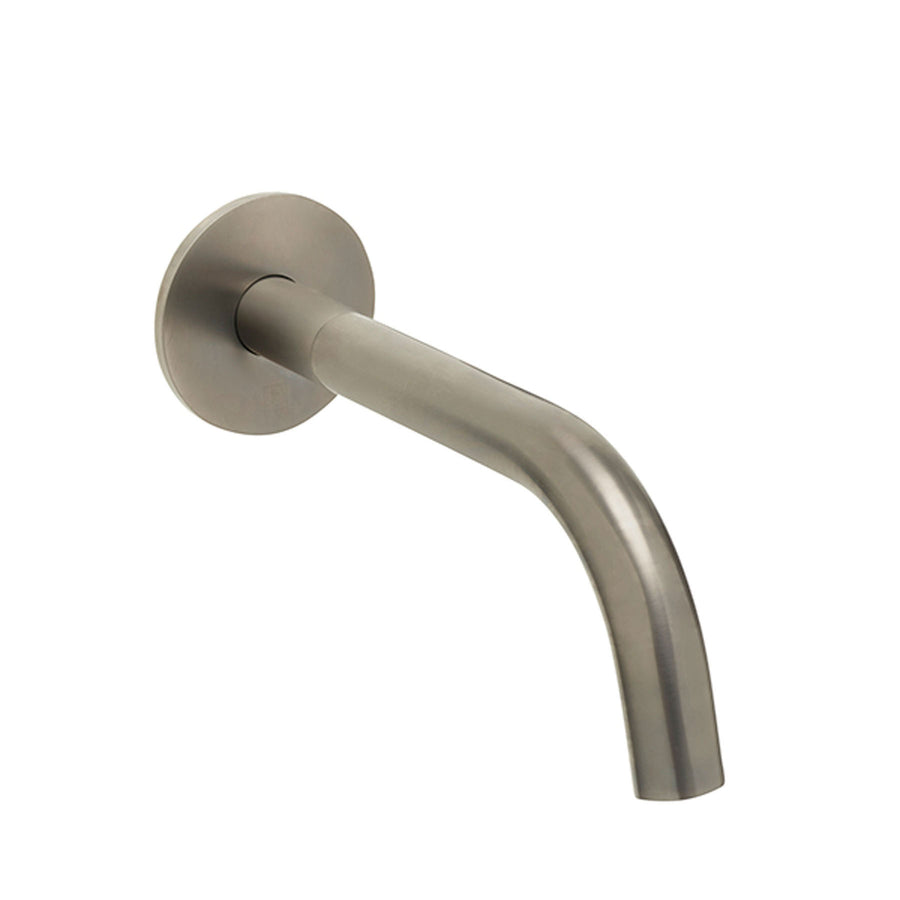 |
| Image Credit : Tapron.co.uk |
Functional elements like automatic shut-off timers are worth considering when selecting touch or touchless faucets. These features contribute to water conservation by automatically shutting off the faucet after a predetermined period of use, typically not exceeding 4 minutes in unattended situations. With the inclusion of a timer, concerns about accidental flooding, even from the most curious pets, are significantly minimized.
How do touchless faucets work?
All home faucets rely on mechanical valves within the faucet body to regulate water flow from the plumbing. Touch and touchless faucets operate on the same principle, utilizing these valves to control the flow of water. The primary distinction lies in the level of user effort required to activate the faucet.
Solenoid Valves
Handle-free faucets, such as touch and touchless faucets, utilize solenoid valves for water control. Solenoid valves are electro-mechanical devices that utilize magnetic power to regulate the flow of water. When activated by electric input from touch or infrared sensors, the solenoid valve moves into either an open or closed state. In the open state, the mechanical valve is activated, moving away from the water outlet to enable water flow to the faucet.
Motion Sensors
Touchless faucets, employing infrared sensors, integrate a sensor panel within the faucet. Positioned close to where users typically place their hands beneath the faucet, this sensor panel detects movement. While the sensitivity range may differ across models, it typically operates effectively within a few inches from the sensor. Upon detecting movement, the sensor triggers the water flow to turn on or off. Hence, it is crucial to ensure that the sensor panel remains clean and free from any obstructions to maintain optimal functionality.
Capacitive Touch Sensors
The valve system responsible for regulating water flow remains consistent across touch faucets, albeit with differing trigger mechanisms. Constructed from brass, the faucet's body houses a capacitive touch sensor within. This sensor reacts to electrical energy emitted by the human body, subsequently prompting the valve to either open or close.
Capacitive touch sensors perceive static electricity and natural energy alike, thus eliminating any risk of shock or energy transfer from the faucet to users due to the low static energy involved.
These sensors exhibit responsiveness to both brief and prolonged touches on the faucet's sensor area. For instance, a short touch anywhere on the sensor might trigger a specific water flow, while holding the spray-head of a pull-down faucet may result in a continuous flow. Some touch faucets feature settings that adjust water flow based on the duration of the touch, such as allowing water to flow for a few seconds with a quick touch or sustaining it for an extended period with continuous contact.
Touch & Touchless Kitchen Faucets
In the hustle and bustle of the kitchen, cleanliness is paramount. With various tasks demanding attention simultaneously – from preparing meals to cleaning pots and pans – the kitchen quickly becomes a hub of activity. Amidst this chaos, food residue and germs find their way onto utensils, hands, and even faces, posing hygiene concerns.
Traditional kitchen faucets exacerbate this issue by accumulating food grime and dirty dishwater on their handles throughout the day. However, touch/touchless kitchen faucets offer a solution to minimize such mess. By providing water for a multitude of needs, whether it's filling a glass or washing dishes, these faucets streamline kitchen operations while reducing germ exposure. Embracing a touchless kitchen faucet is a proactive measure towards maintaining a cleaner and healthier household environment.
Touch Faucets in the Kitchen
Touch-activated kitchen faucets revolutionize the way water is accessed in the kitchen. By simply touching the sensor located at the base of the faucet, near the handle, or close to the spout for pulldown or pull-out faucets, users can activate the flow of water with ease.
This touch-sensitive feature eliminates the need to physically grasp the faucet handle, minimizing the risk of transferring germs from dirty hands to the faucet surface. Consequently, users can maintain clean hands while performing kitchen tasks such as washing dishes and completing other chores, enhancing both convenience and hygiene levels in the kitchen.
Touchless Kitchen Faucets
Touchless kitchen faucets operate by detecting motion near or at the faucet, initiating the water flow without the need for physical contact. This innovative feature not only minimizes the accumulation of messy fingerprints but also prevents grime buildup on the faucet's finish, maintaining its aesthetic appeal.
For enhanced cleaning capabilities, opt for touchless kitchen faucets equipped with detachable spray heads and adjustable water pressure settings. These features facilitate thorough cleaning of the sink area and ensure efficient water flow for various tasks. To achieve the perfect blend of style and functionality, consider pairing the motion sensor technology with a high-arched faucet design and a long spray tube, elevating both the visual appeal and usability of your kitchen faucet.
Touch & Touchless Bathroom Faucets
Following CDC guidelines, proper handwashing for at least 20 seconds is essential for maintaining a healthy household. However, traditional hand-operated faucets may lead to water wastage as the water continues to run until hands are fully lathered.
Upgrade to a hands-free faucet for your bathroom to mitigate water consumption and minimize the need for cleaning soap scum and germs from sink and faucet edges. Touch or touchless bathroom taps automatically shut off the water flow during handwashing and other bathroom tasks, eliminating the possibility of leaving the faucet running unnecessarily. With a touchless faucet, you only use the water you need, contributing to water conservation efforts.
When selecting a touchless faucet for your bathroom, consider factors such as finish color and style to ensure it complements your existing decor. Matching the faucet style with vanity hardware can also refresh the overall look of your bathroom, enhancing its aesthetic appeal.
Touch Faucets in the Bathroom
Touch faucets offer the convenience of being activated with a simple touch, eliminating the need to turn or grip a handle. By lightly touching the metal near the faucet, water flow can be activated, providing a hands-free experience. This feature minimizes the need to touch surfaces on faucet handles, reducing exposure to potentially harmful germs or viruses.
Touchless Bathroom Faucets
 |
| Image Credit : Tapron.co.uk |
Top-quality touchless faucets are designed to detect hand movements within their sensor range, providing convenience during tasks such as dishwashing or cleaning with soapy gloves. In touchless bathroom faucets, the sensor range is typically positioned closer to the sink's edge, beneath the water spout, ensuring ease of use and accessibility for all household members.
Touchless flush toilets
Even with the highest quality faucets available, bathroom surfaces can still harbor germs. Among the various surfaces, the toilet poses one of the greatest risks for germ accumulation.
Germs accumulate on all parts of the toilet, including the lid and seat, in the time between cleanings. One effective measure to mitigate the spread of germs is to opt for a touchless or hands-free flush mechanism, eliminating the need to physically touch the flush handle.
Different types of touchless flush toilets
When it comes to touchless flush toilets, there's a plethora of options available, but the hands-free operation remains consistent across the board. To initiate the flush, a simple wave of your hand over the sensor located on the tank is all it takes. Alternatively, you can opt for models equipped with automatic flushing capabilities.
Most touchless flush toilets rely on infrared sensors as their primary mechanism. These sensors, often positioned at the front of the tank, detect movement and trigger the flush when the user steps away. In some designs, the sensors are situated atop the tank, activating the flush only when a hand is waved over them.
For those who prefer a more traditional approach, there are low-flush toilets equipped with push buttons instead of handles. This provides a smaller, easier-to-use flushing option without the need for sensors.
Bidets
 |
| Image Credit : Tapron.co.uk |
Bidet toilets represent a modern and hands-free bathroom solution gaining popularity worldwide. These fixtures, equipped with a bidet, offer users a hygienic means to cleanse themselves after using the toilet, eliminating the need for excessive toilet paper.
While bidets have long been commonplace in many regions, their adoption in home bathrooms is on the rise in the United States. Advancements in technology have made bidet toilets more sanitary, with modern models featuring self-cleaning mechanisms that ensure cleanliness after each use.
One notable advantage of bidet toilets is their hands-free operation. With control settings typically located on the wall adjacent to the toilet, users can activate bidet functions without direct contact with the toilet itself. This not only enhances hygiene but also reduces reliance on disposable toilet paper, offering a more sustainable and eco-friendly alternative.
Optional Commercial Touchless Options
As a business owner, prioritizing the safety and well-being of both customers and employees is paramount. Implementing touchless or hands-free alternatives for fixtures throughout your office, warehouse, or store is not only responsible but also essential in today's environment.
By upgrading fixtures to touchless options, such as bathroom faucets in break rooms or public areas, you can mitigate potential risks associated with water damage from forgetful customers or incidents of vandalism. Moreover, opting for touchless alternatives helps minimize the transmission of harmful germs and viruses, safeguarding the health of everyone who interacts with your business premises.
Touchless Commercial Faucets
When exploring options for commercial touchless taps, it's essential to consider both style and functionality. Opting for touchless faucets that seamlessly integrate durability and functionality while complementing various design aesthetics, including commercial settings, is key.
Contemporary touchless bathroom faucets boast sleek and modern designs, offering the convenience of preset water temperatures without the need for traditional handles or touch-sensitive surfaces. Pairing these faucets with additional touchless fixtures such as wall-mounted dryers, soap dispensers, and drying racks can further enhance efficiency and promote a paperless environment in restrooms, simplifying maintenance routines and saving valuable time.
In breakroom settings, installing touchless kitchen faucets proves to be a practical choice. These faucets often feature a gooseneck design with a high arch, facilitating easy cleanup tasks such as washing coffee pots or utensils. Look for touchless faucets equipped with pulldown spray heads to efficiently direct water spray, particularly beneficial for individuals working in food service environments where cleanliness and hygiene are paramount.
Touchless Commercial Toilets
In commercial settings, touchless toilets often diverge from their residential counterparts by utilizing innovative plumbing designs that eliminate the need for water storage tanks. Unlike traditional residential toilets, commercial touchless toilets can be wall-mounted or floor-mounted, featuring a streamlined configuration comprising a bowl, toilet base, and a flushometer that is wall-mounted.
The flushometer, a key component of touchless toilets, houses advanced sensor technology responsible for triggering the flush mechanism upon detecting movement in front of the bowl. By eliminating the reliance on water storage tanks and integrating motion sensors directly into the flushometer, these toilets offer several advantages. Not only do they occupy less space on the bathroom wall, but they also boast exceptional water efficiency, making them an environmentally conscious choice for commercial facilities. Despite these design differences, the functionality and operation of touchless flush toilets remain uncompromised, ensuring reliable performance and user convenience.
 |
| Image Credit : Goldbathroom.uk |
While touchless faucets offer convenience and hygiene benefits, you may be considering other options such as pull-out kitchen taps. I recently stumbled upon an informative article titled 'Are Pull-Out Kitchen Taps Any Good?' that delves into their effectiveness and usability. Feel free to explore it here https://goldbathroom.uk/blogs/news/types-pull-out-taps-are-pull-out-kitchen-taps-any-good-gold-bathroom-uk
Comments
Post a Comment